INTRO
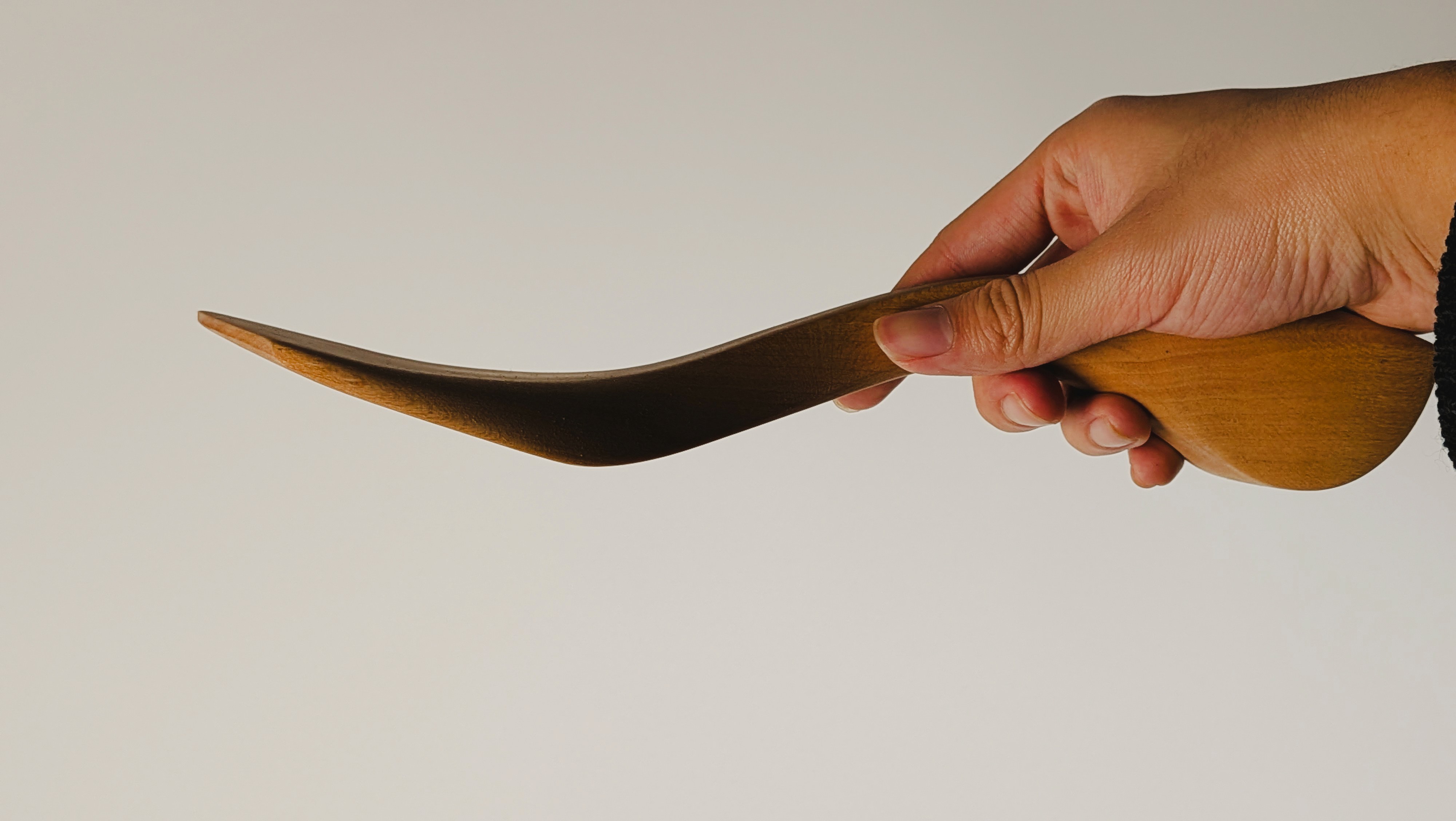
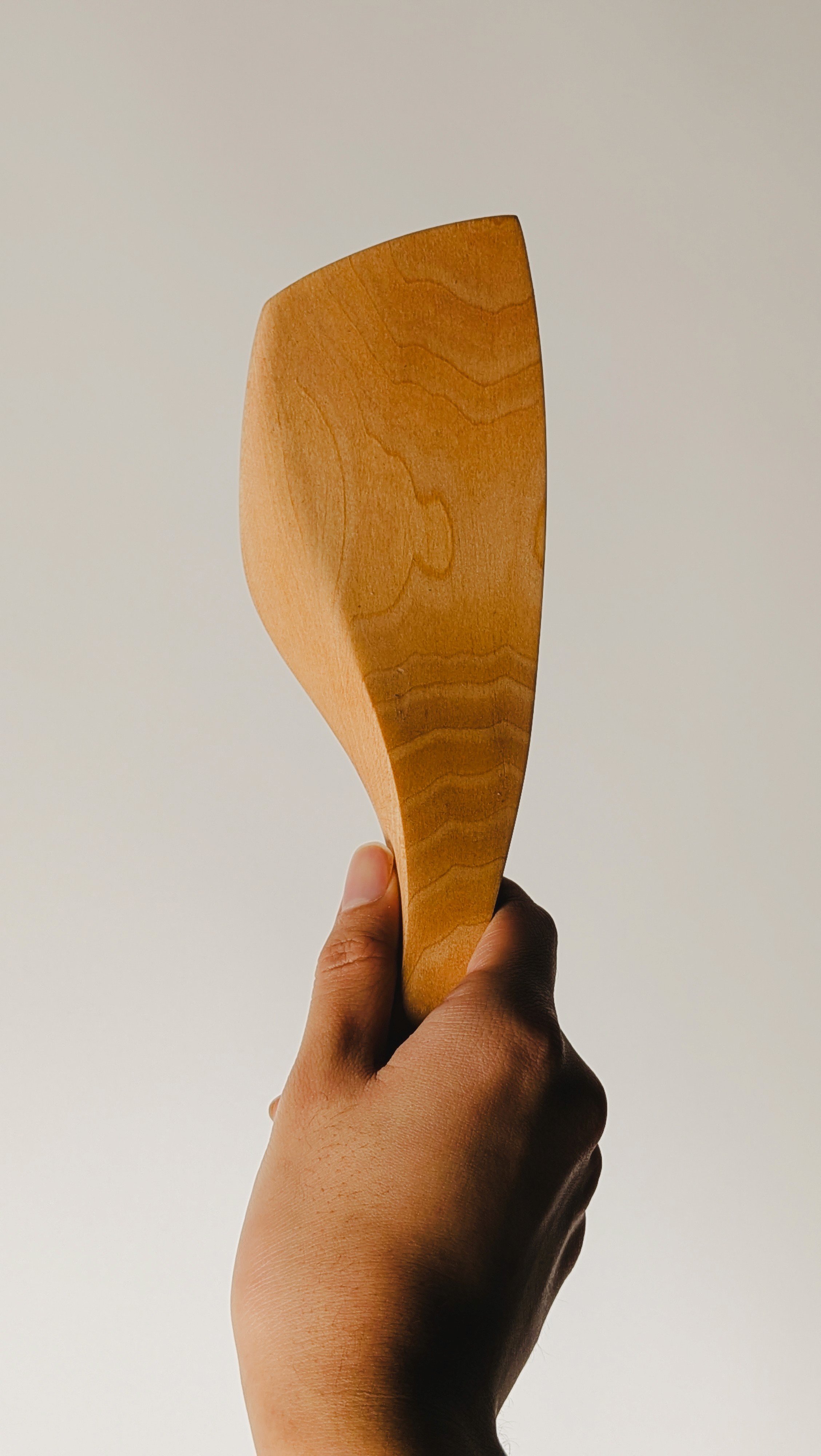
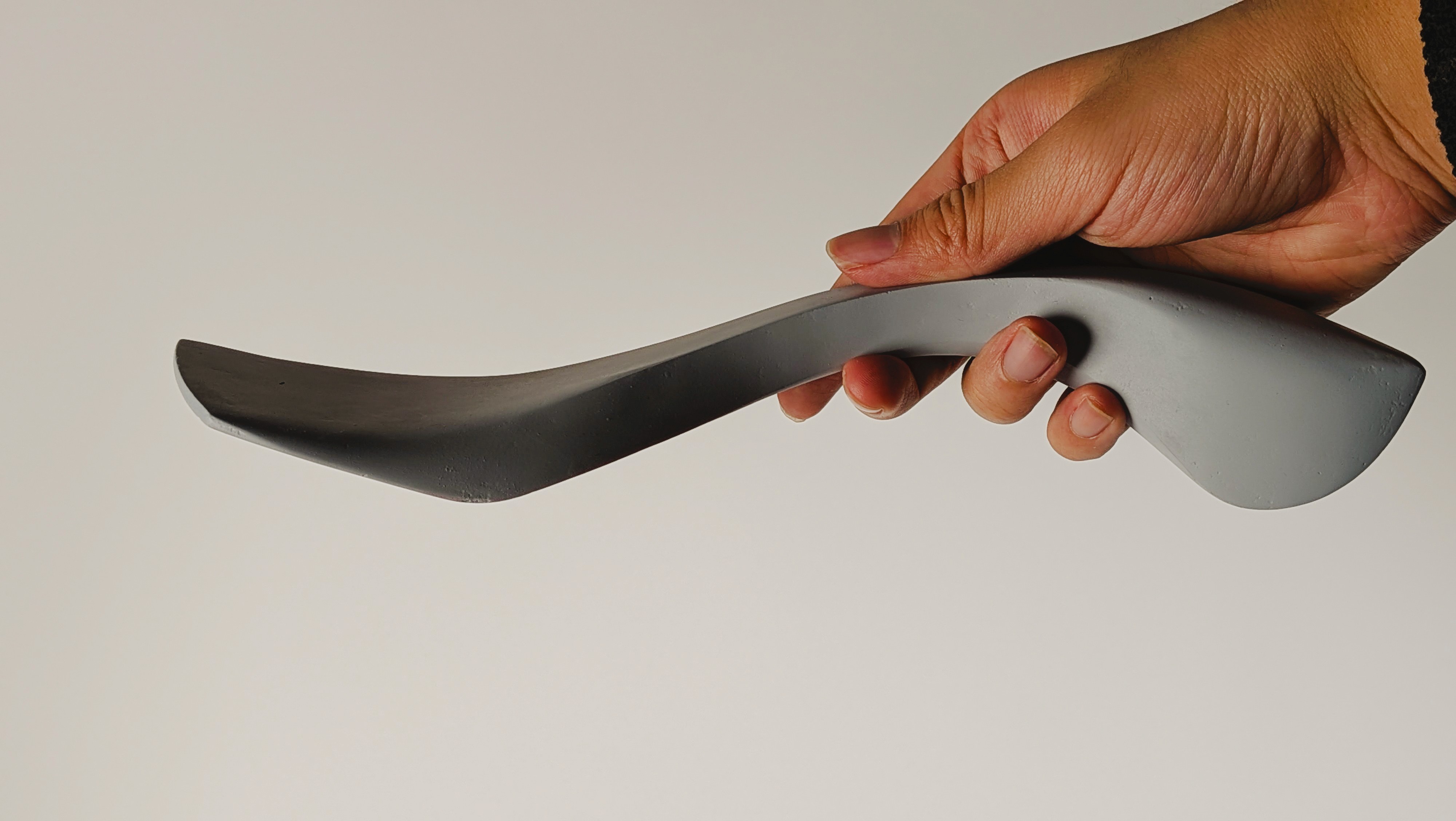
The spatula is a versatile cooking utensil, used in almost as many ways as there are ways to prepare food. Both its shape and material almost instinctually inform the cook how to hold and use the tool. Guided by the concept of "flow", the flowform spatula is designed to enhance the common motions of cooking with a wok.
THE BRIEF
From a predetermined piece of wood (__” x __” x __”) produce one elegantly abstracted curvilinear form that extends
the hand to facilitate scraping, lifting, and flipping. Consider behavior, action, and body posture when designing this
form.
The final objects for this project should emphasize their functionality through the form and fit in your hand.
PROCESS
Exploring the Concept
Flow is a very abstract concept, making it difficult for me to assign a working definition to. However, regardless of source, flow is naturally created as a byproduct of movement. To start with, I explored some representations of flow found both in nature and man-made objects,

Defining Flow
Flow always has a direction. It never adds or removes, only constricts or let loose. With this in mind, I took a few principles to work with:
Finding areas to relax and loosen
Thinner/tighter curves/areas are more sharp, while flatter areas are smoothed
Asymmetry is key: pairing a sharper, straighter side with a smooth, curved side leads the hand and eye to follow the curve.
Tighter areas have more extreme curves, while wider areas have more relaxed, sweeping curves
Understanding the motion
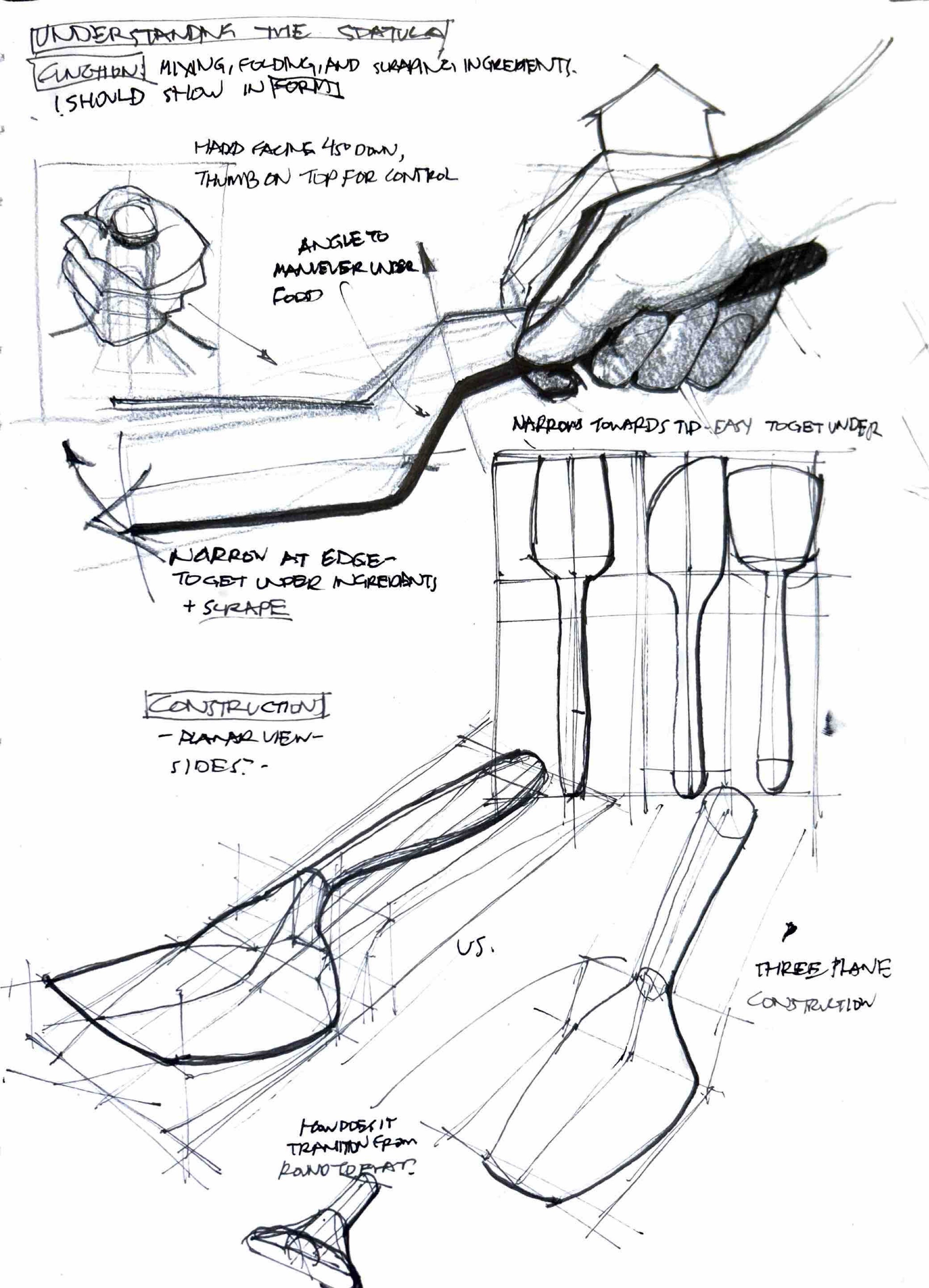
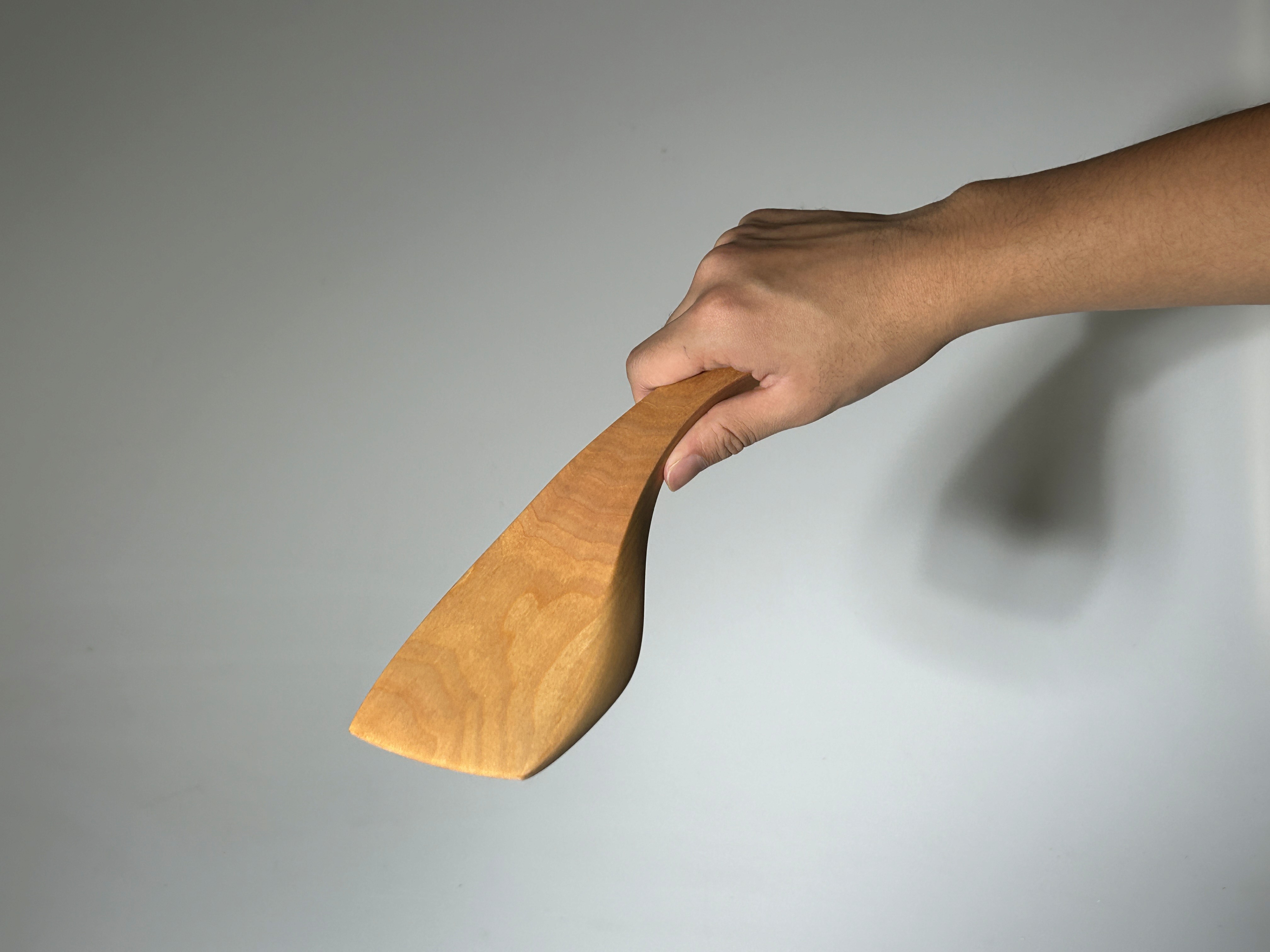
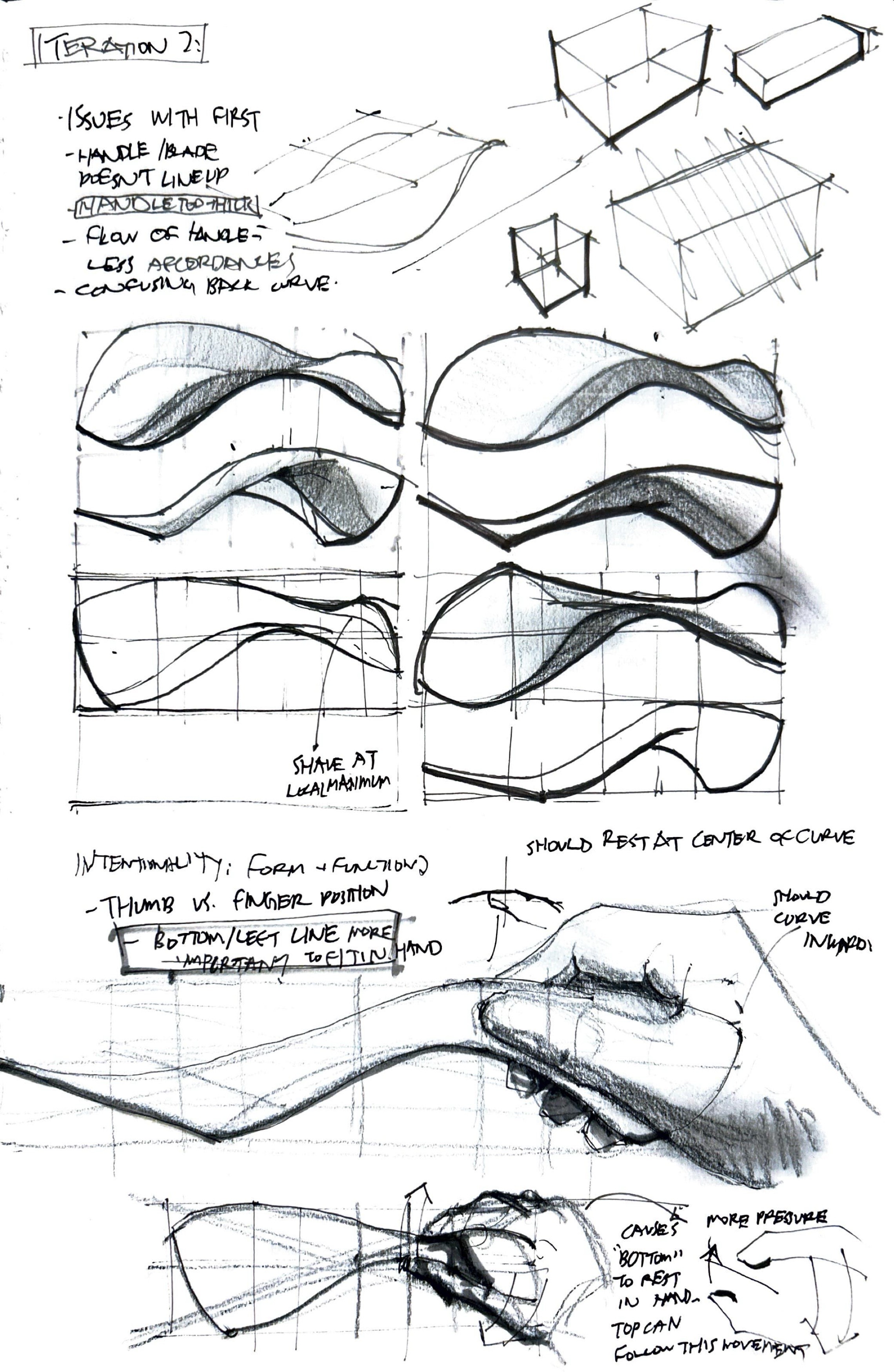
Speed is necessary when cooking with a wok, requiring constant scooping and scraping from the sides to the center of the pot. The motion involves a combination of full-arm movement and quick, inward flicks. As such, I designed the spatula to be held without angling the wrist, following the natural sweep of the arm.
Prototyping
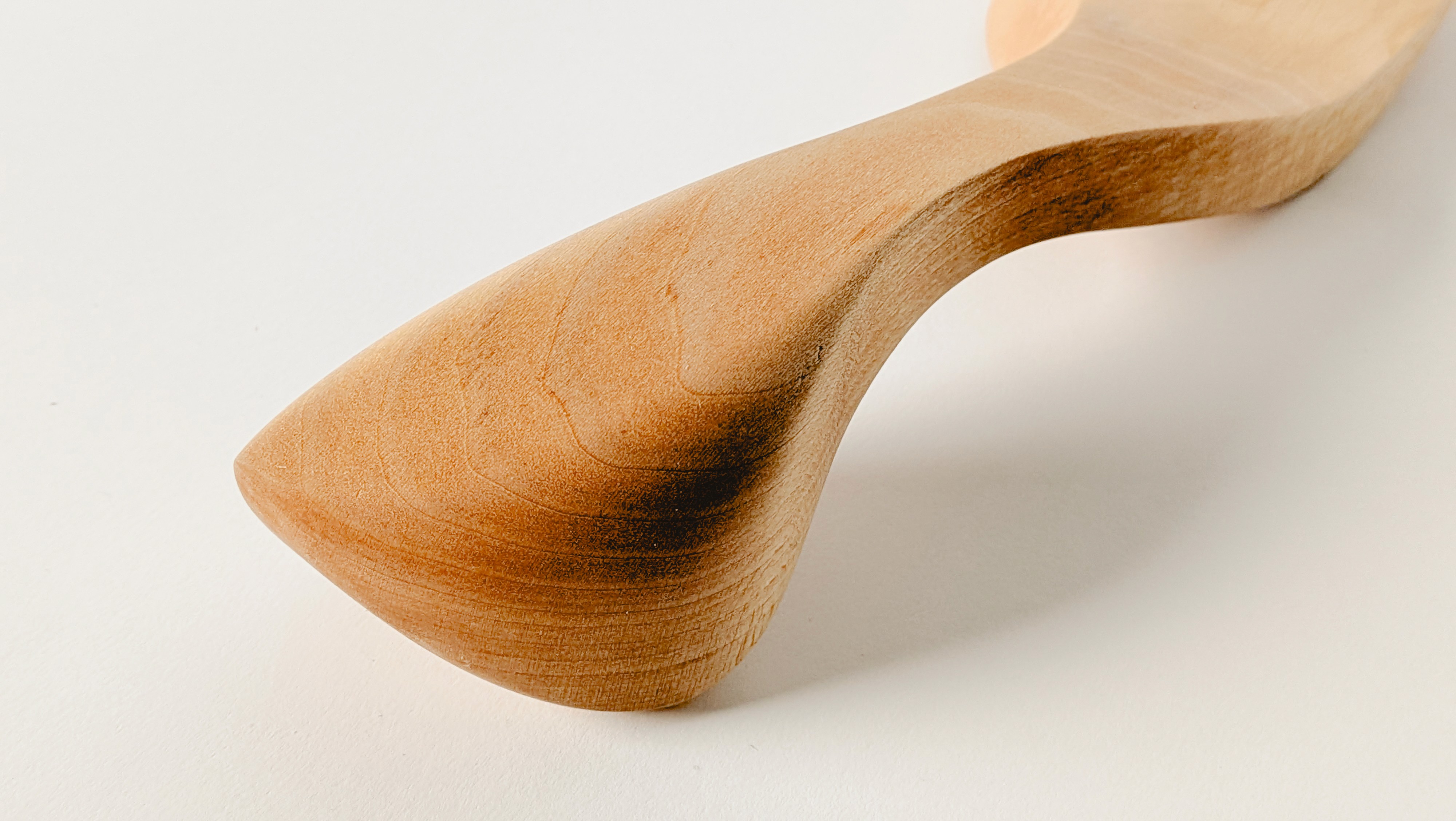
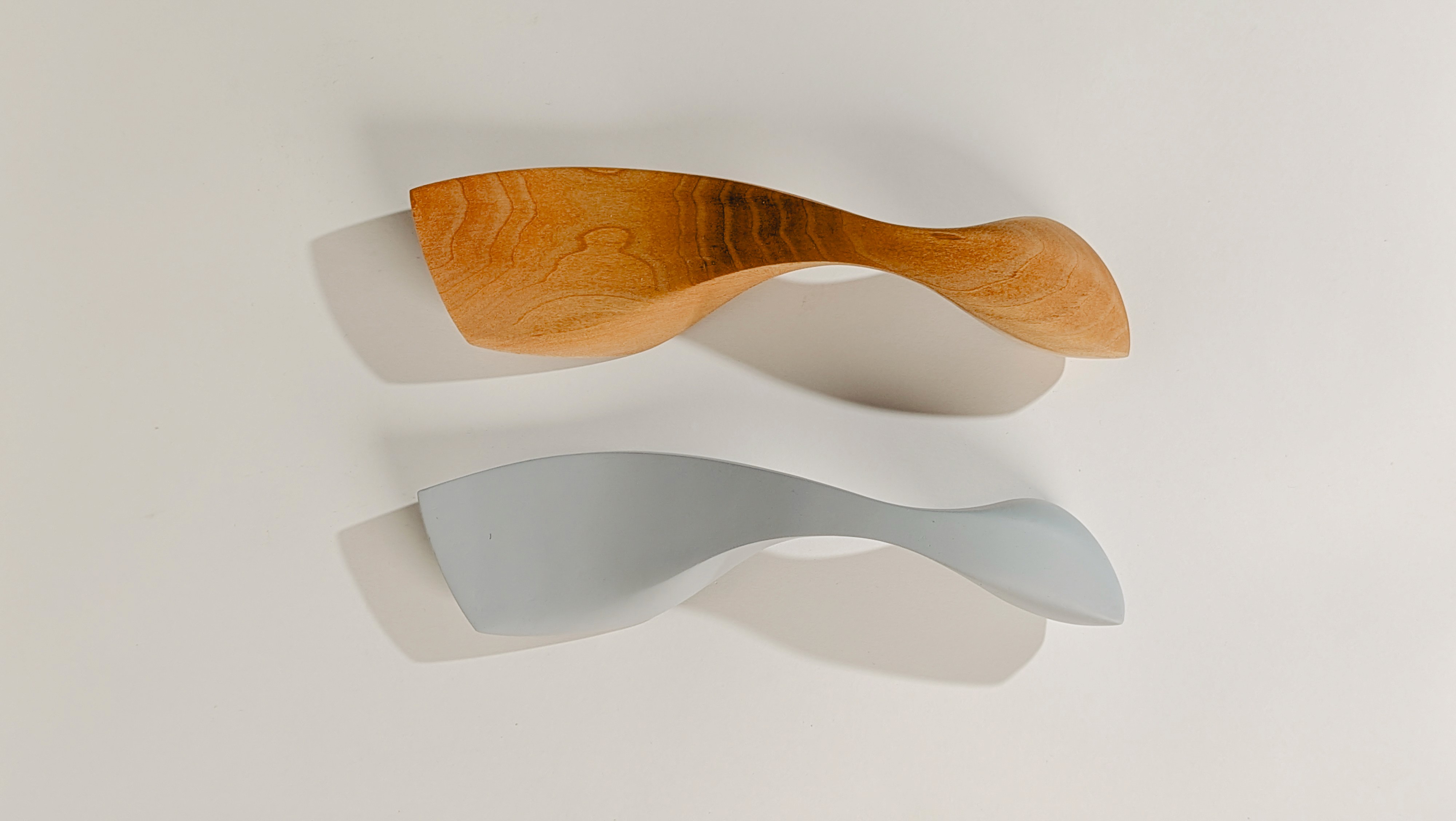
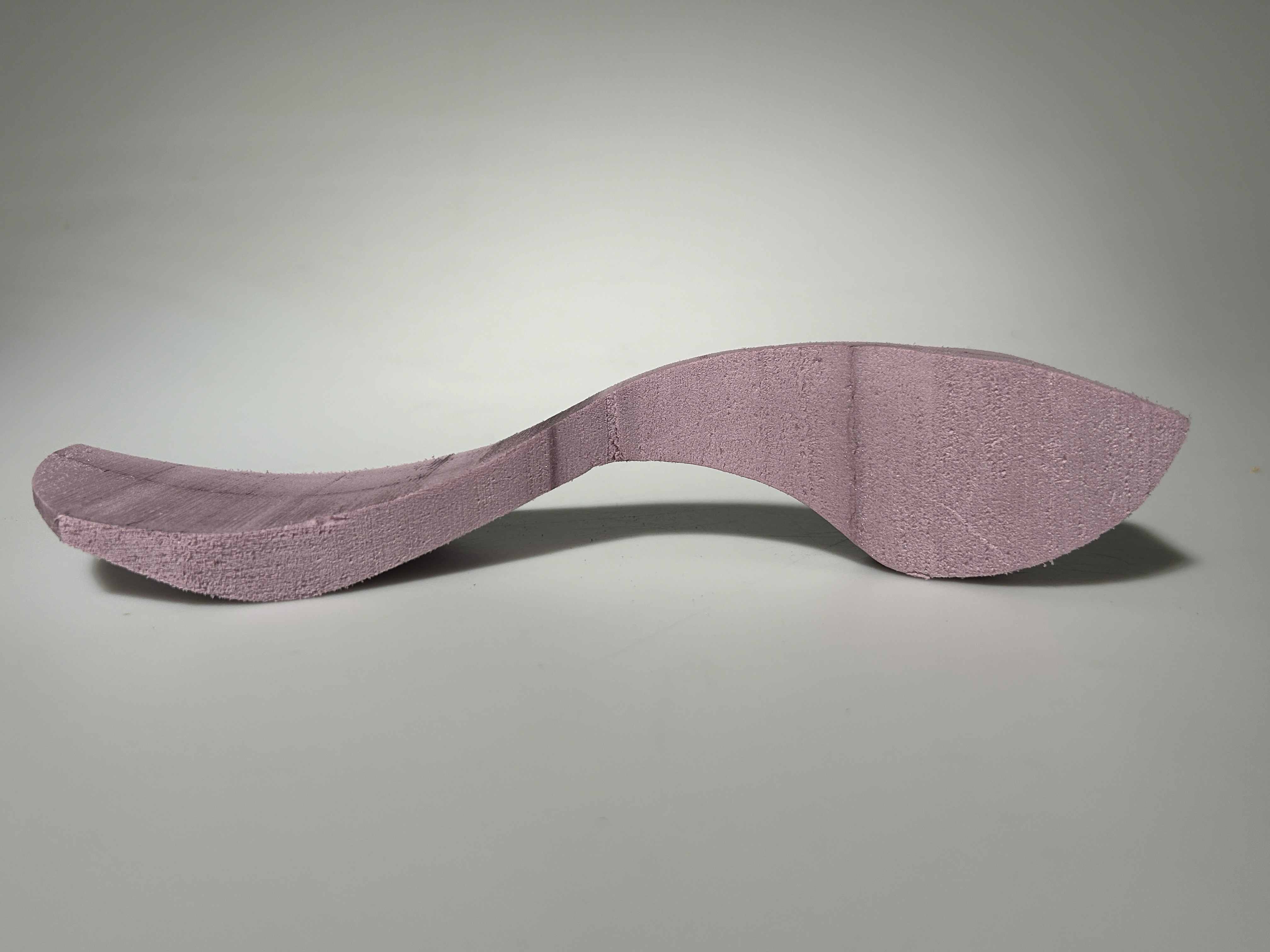
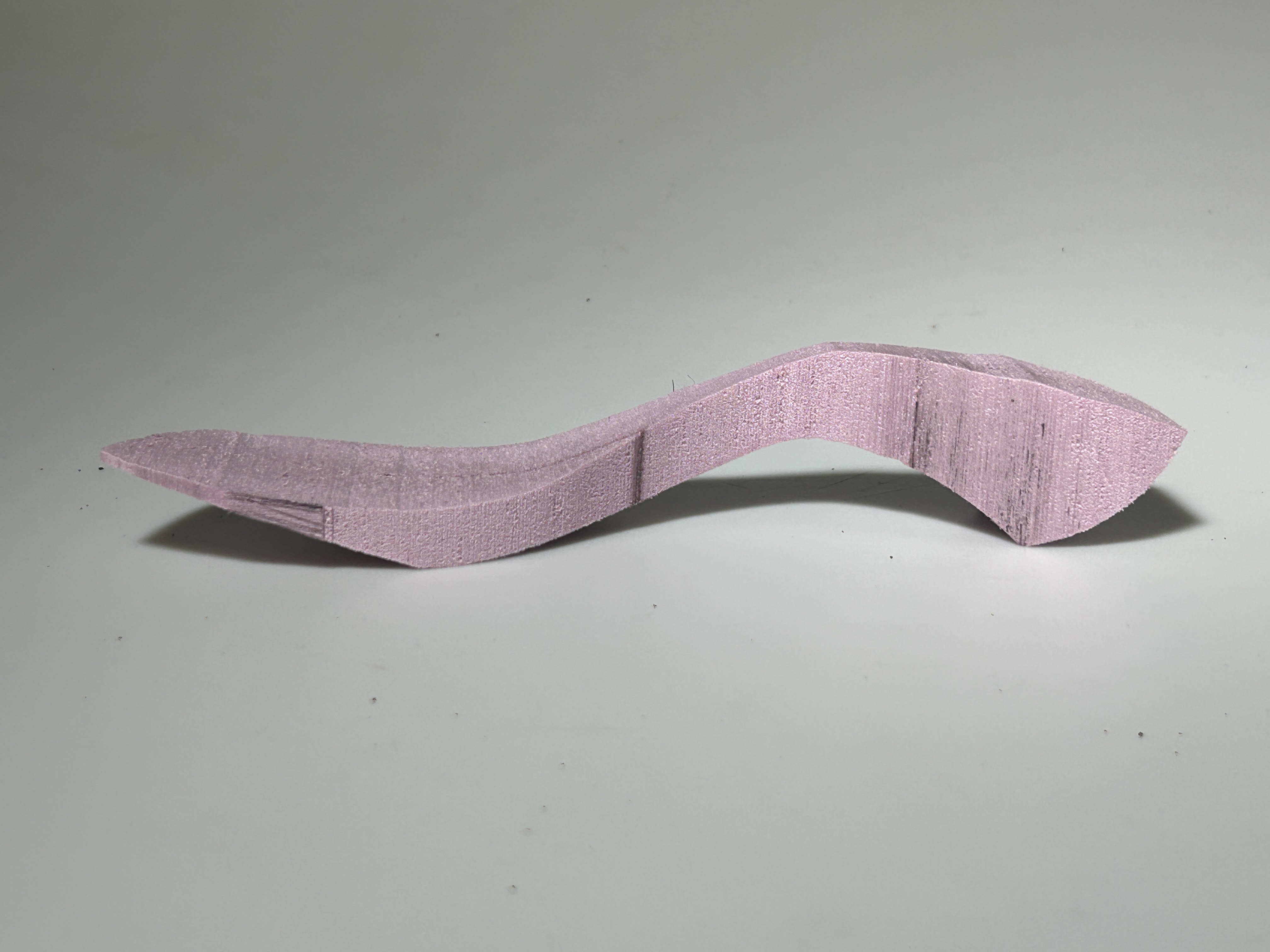
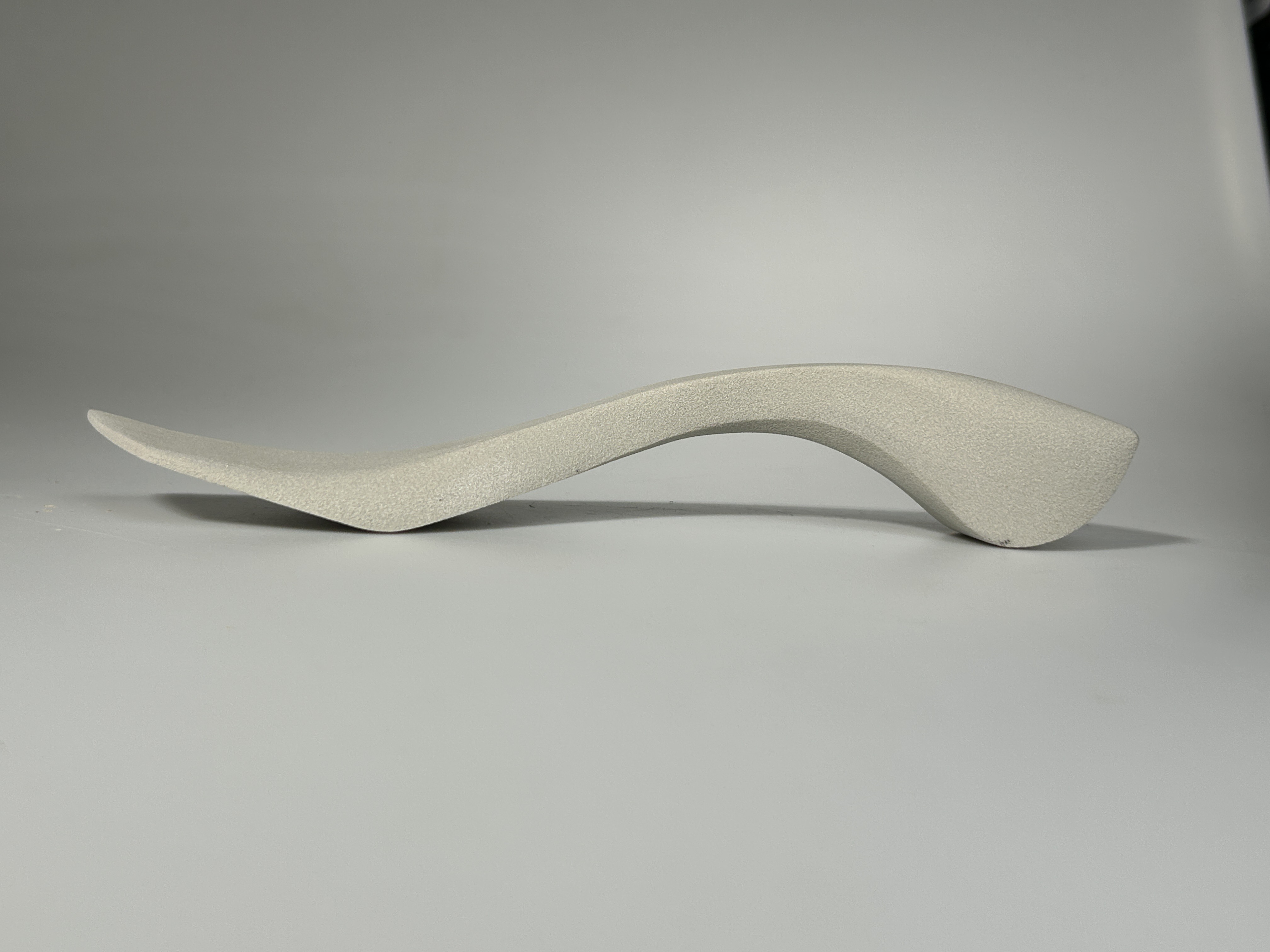
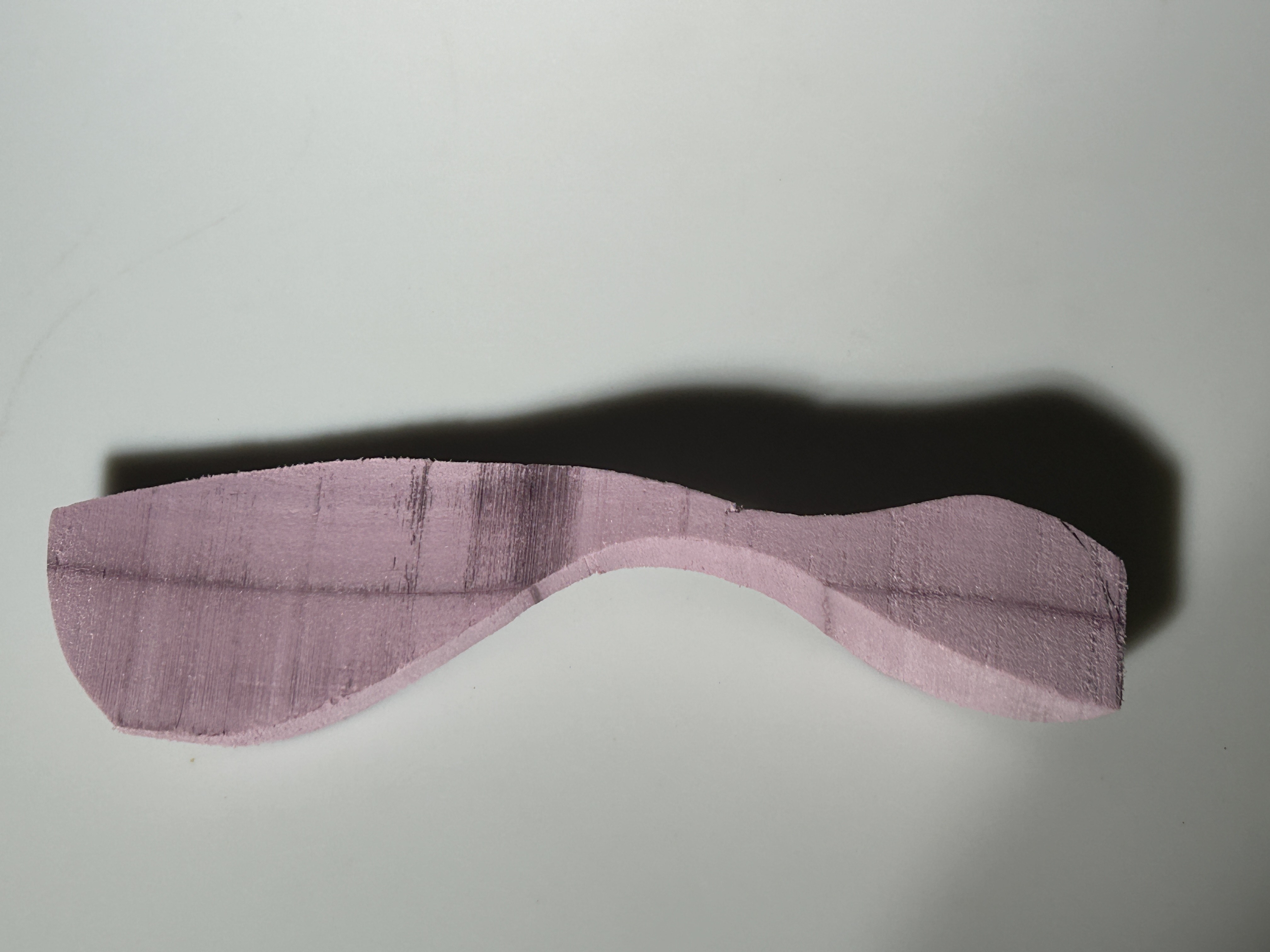
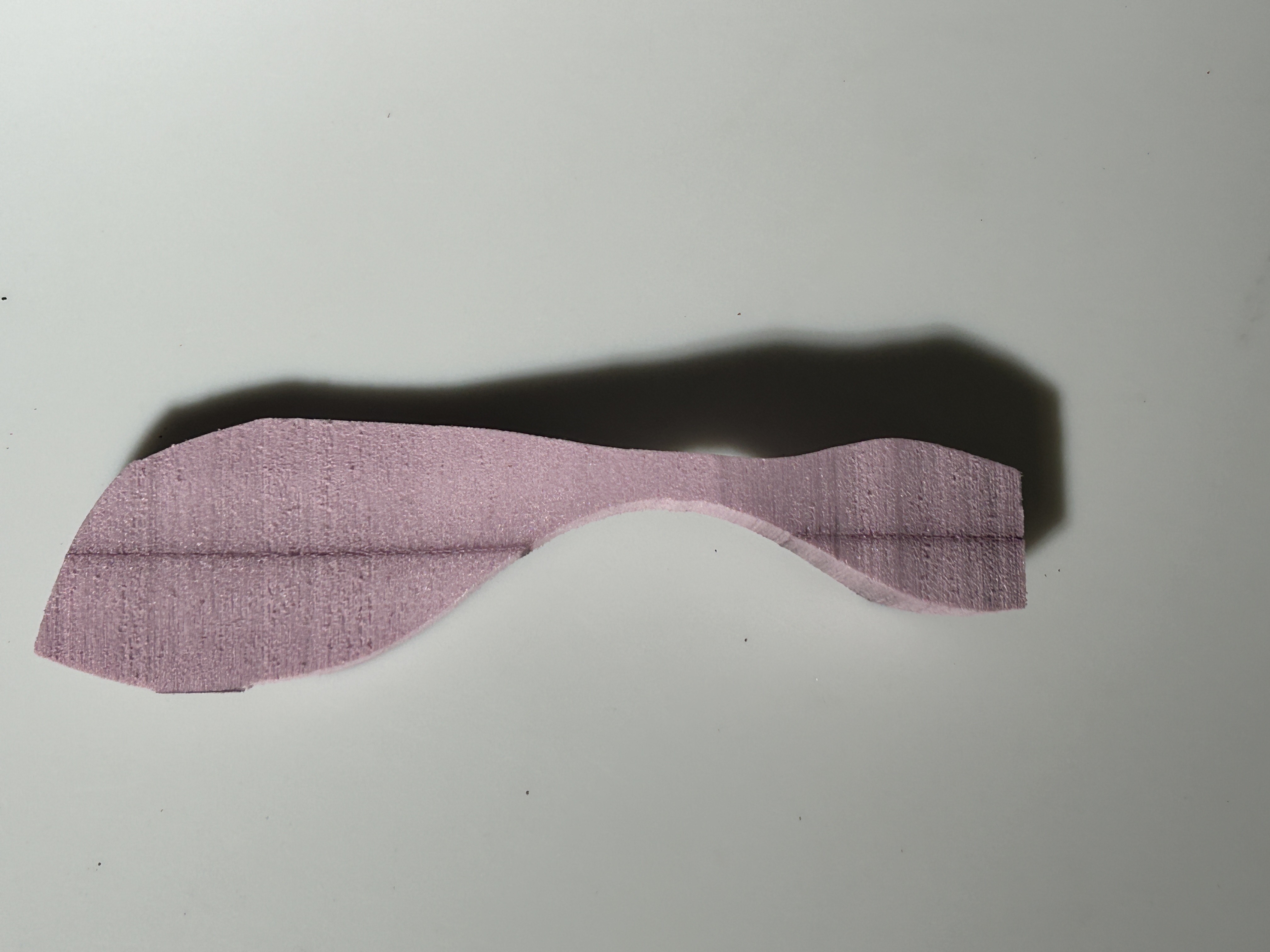
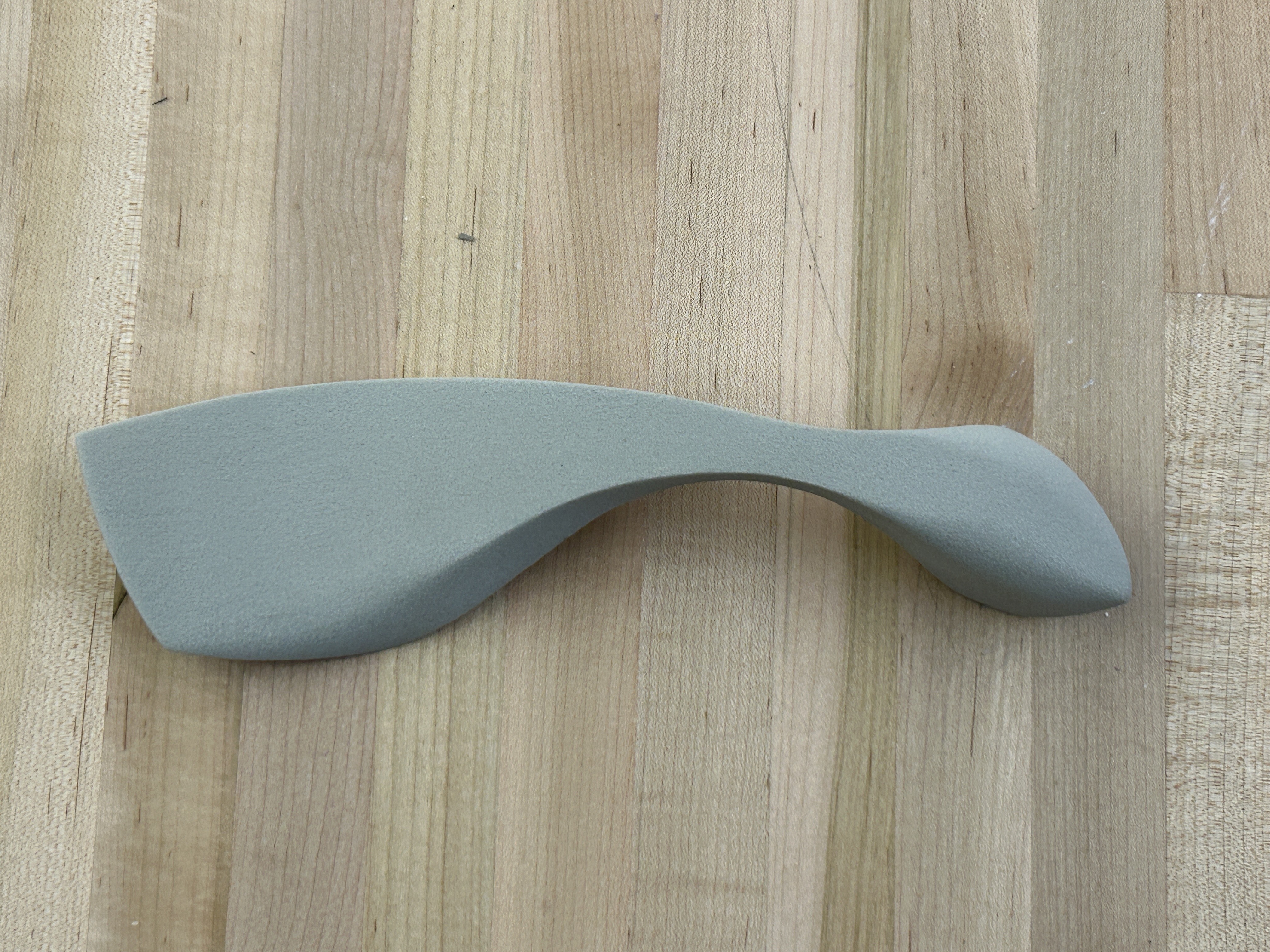
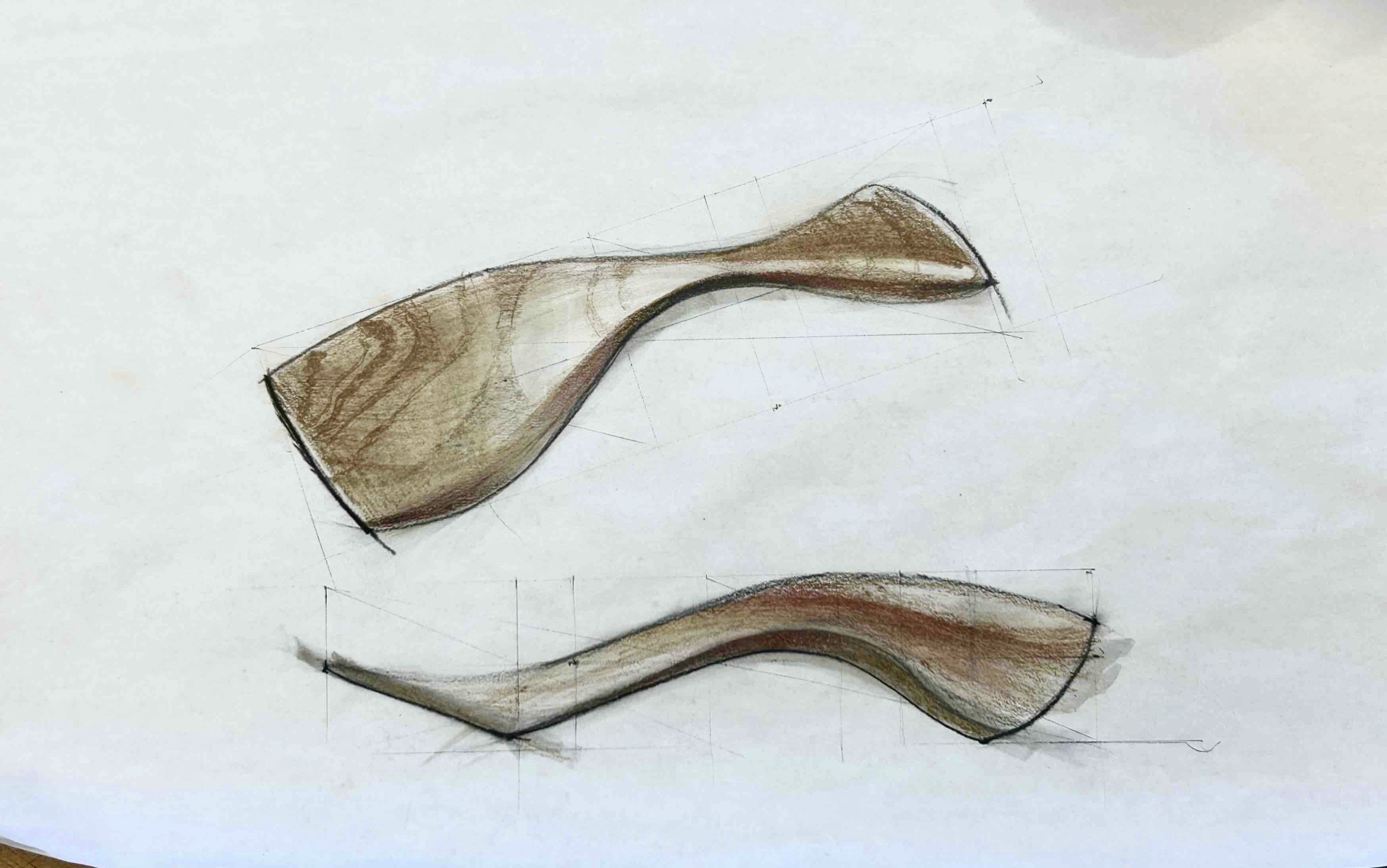
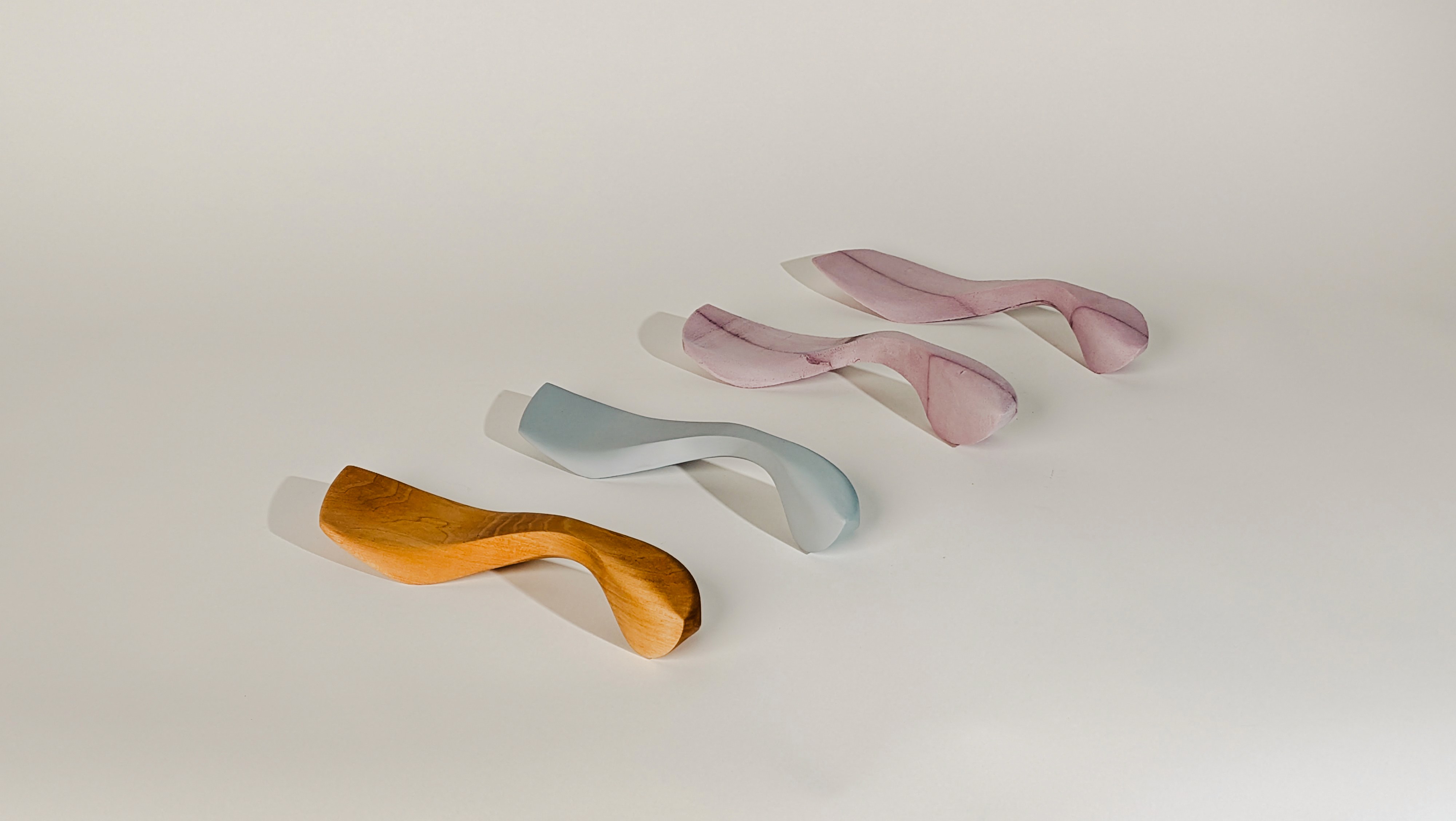
Early prototypes were carved out of pink foam with a bandsaw to get the general shape. In the initial stages, I focused on the ergonomics of the grip and how the fingers could best grasp the handle. Eventually, I settled on a simplified main curve with a plump base to focus attention on the intended motion, softening the impact of secondary curves.
Finding Inspiration From Wet Folding
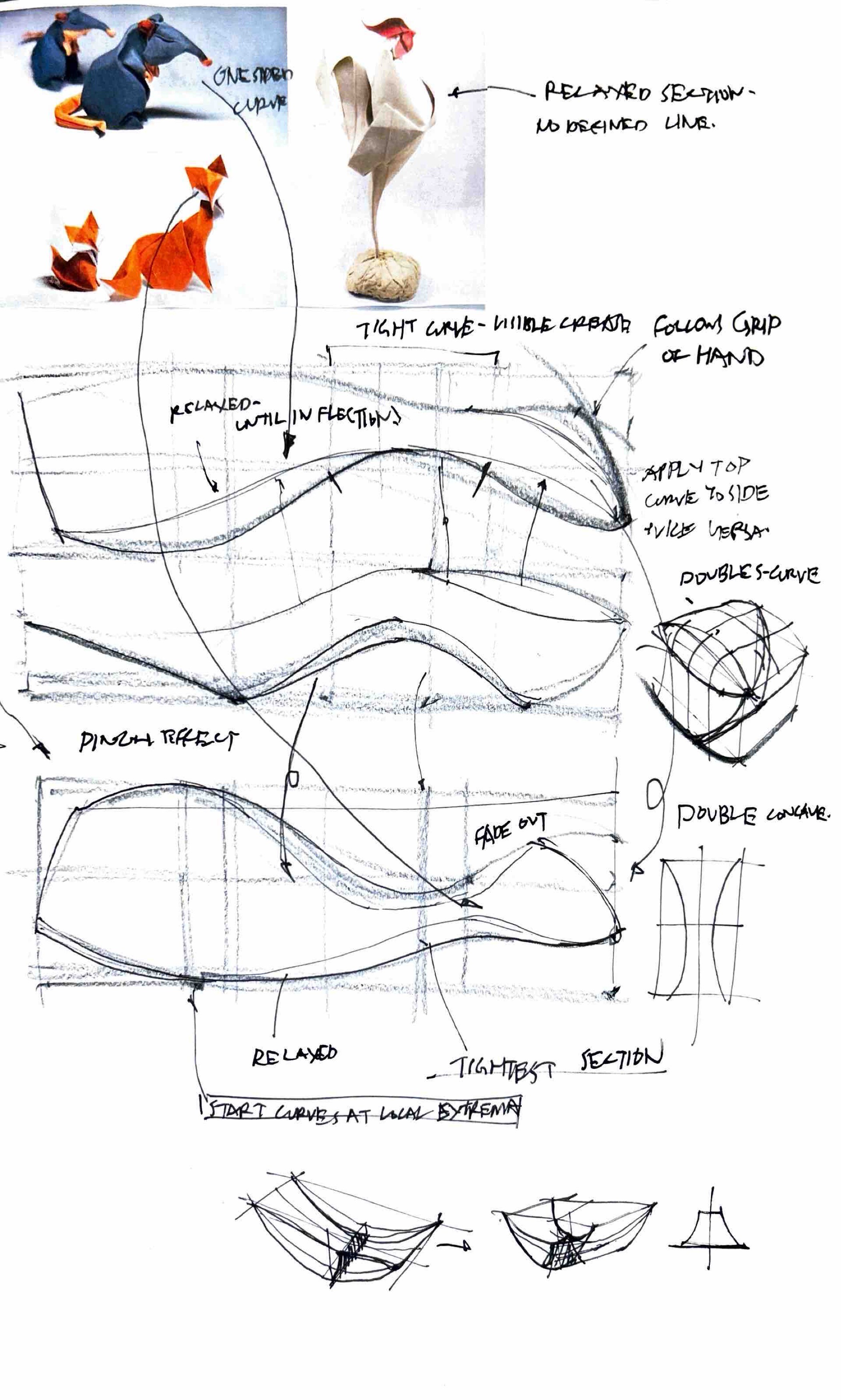
Wet-folding is a delicate technique in origami that involves wetting the paper, then pinching and nudging it into shape, more about sculpting than folding. This characteristic gives my spatula an elegant quality and evokes an intentional, hand-placed feel within each lost and found edge.
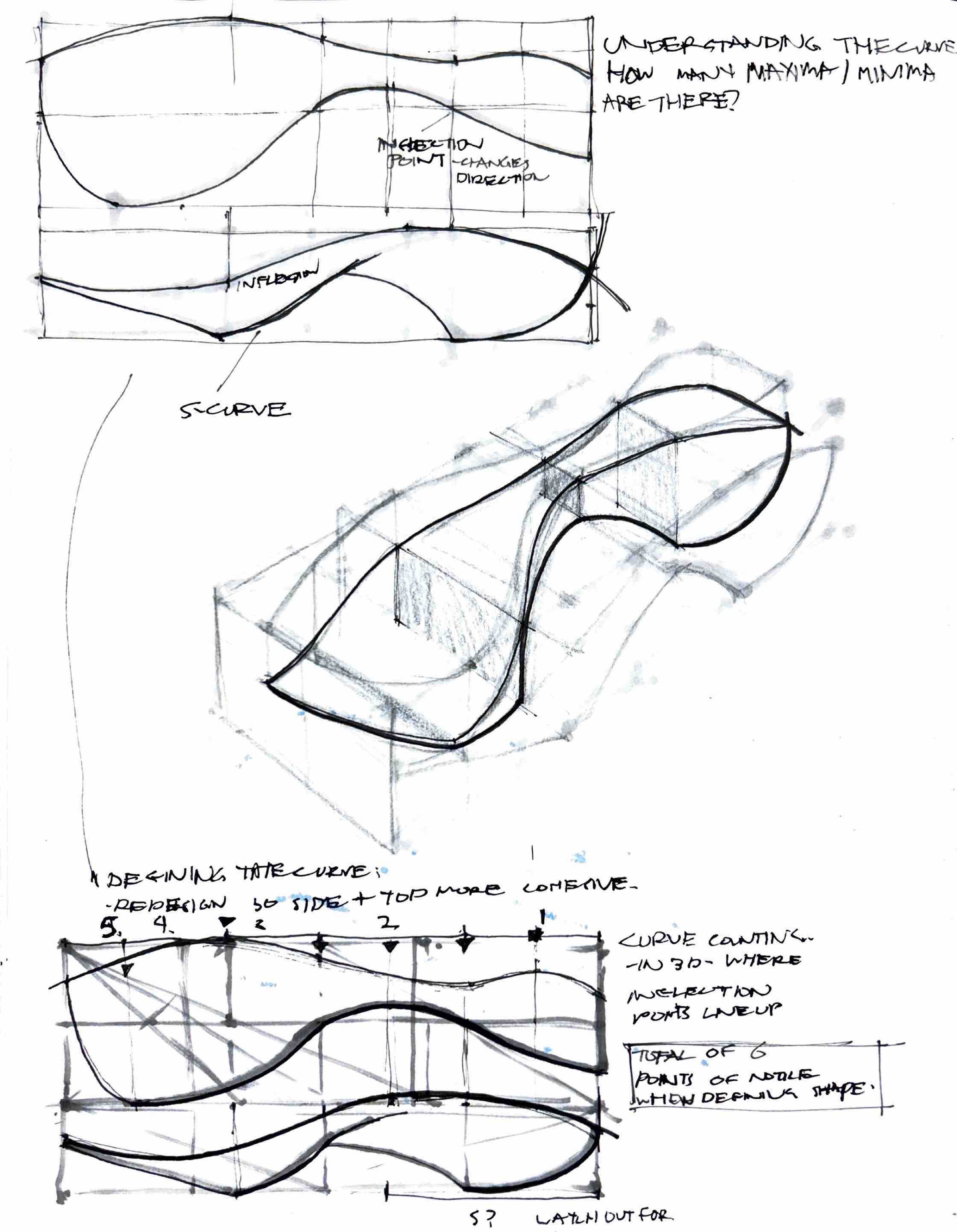
When wet folding, material is displaced, not cut. Areas with extreme curves are sharp, while relaxed areas are implied and rounded. I applied this principle by marking down points where the curvature changes — the inflection points — and choosing to soften based on the severity of the curve between each point.
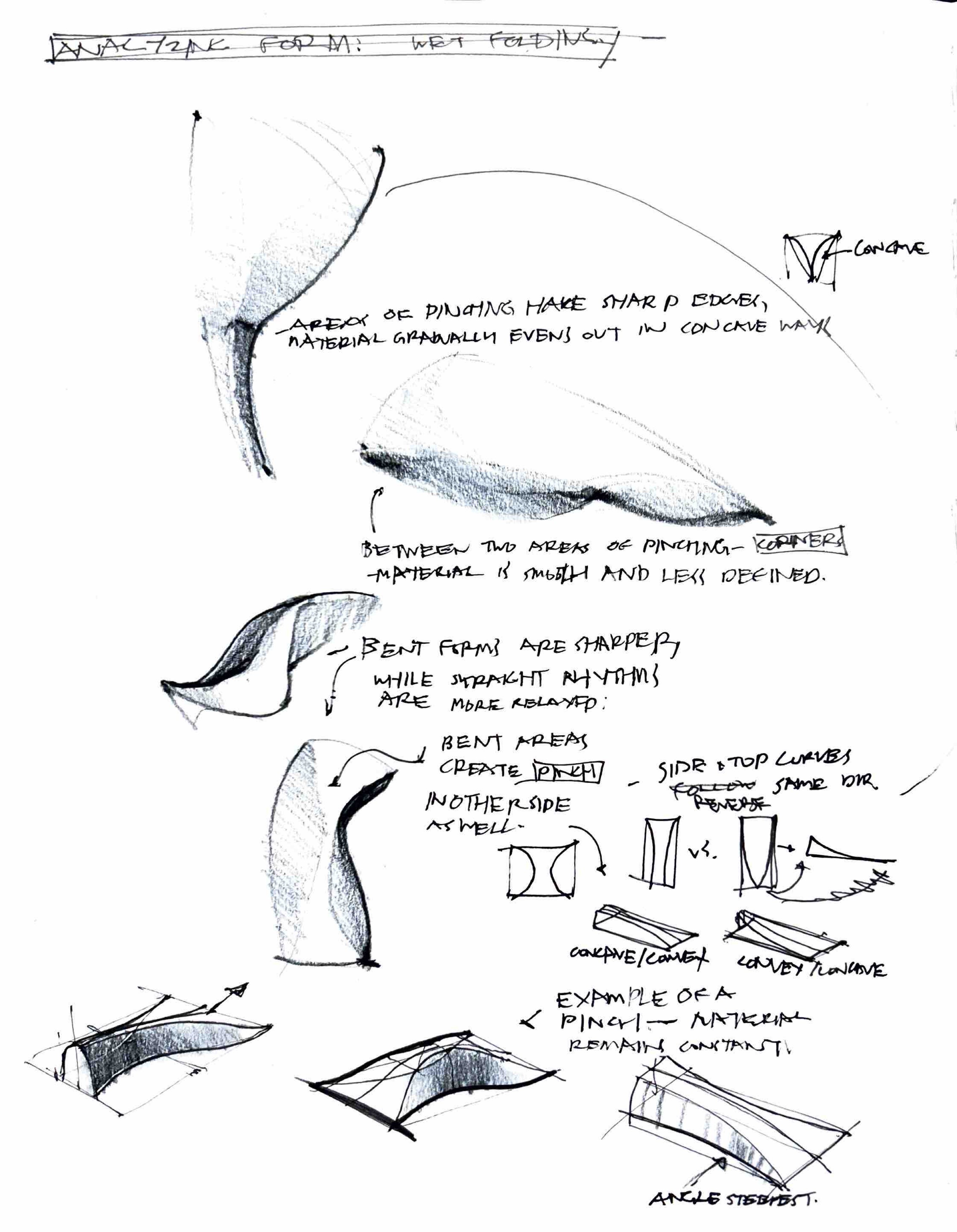
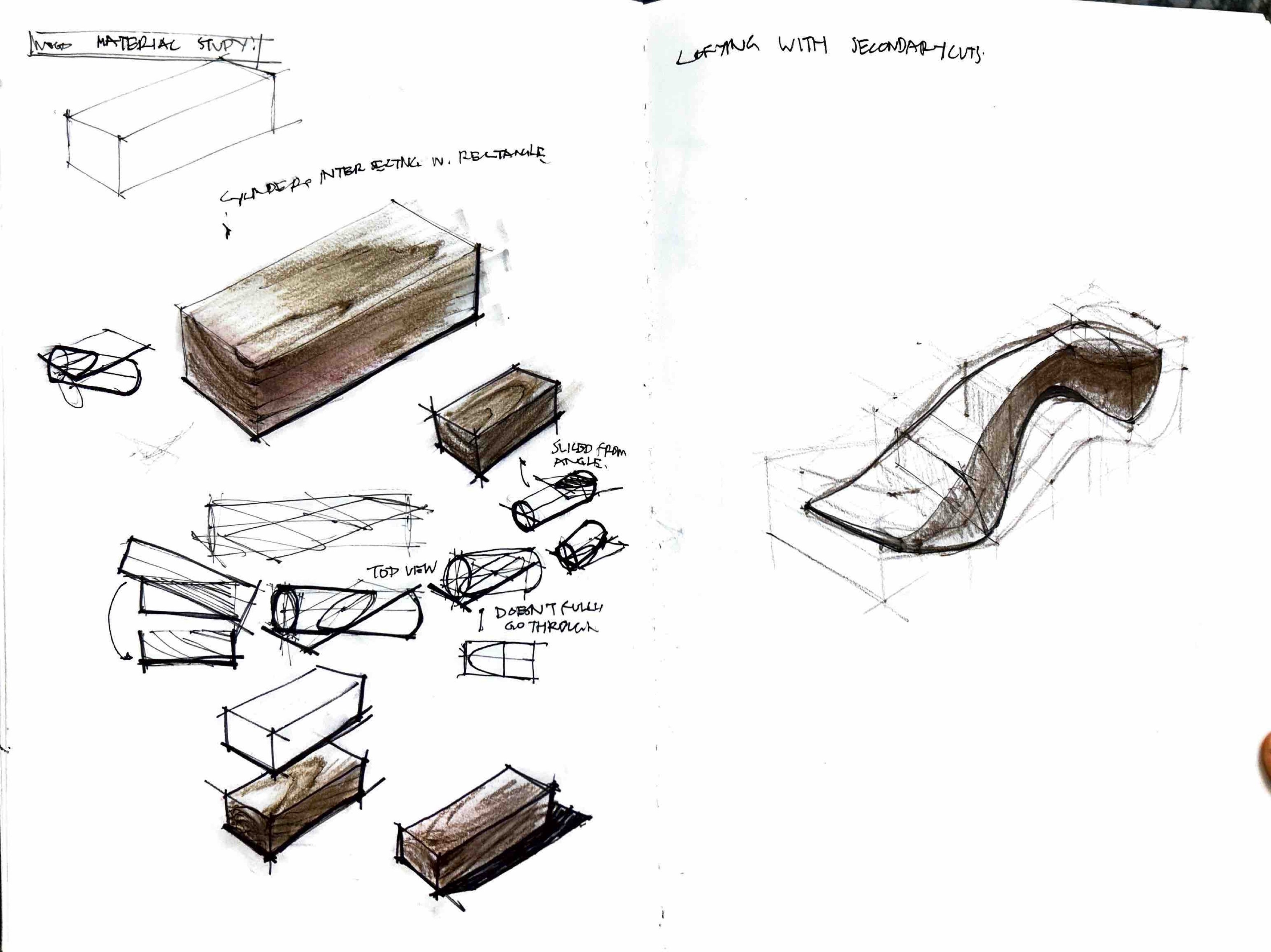
Some studies on wood grain and how they interact with the form.
REFLECTION
In tools as intuitive as the spatula, trying not to overstep my role as a designer while still applying my own aesthetic sensibilities provided an interesting challenge. In addition, curves often felt muddy and unintentional when translating from two to three-dimensions, which required me to define my forms more clearly and change my plans multiple times. This taught me not to get too attached to my initial concept sketches. After all, drawings are merely a representation of the final product, and what works in three dimensions differs from what works in two.
@Timothy Yang
ttimothyy24@gmail.com
YOU INTERESTED?